Home ] Books ] Search Inquiry ] Contents ]
Signal & Sign

Home ] Up ]


Home
Up
Cooking Off-the-Shelf
Archery
Axe, Boy Scout
Axe, Saw, Forestry
Axe, Saw,  Knife
Axe Use: Beard
Axe Use: Seton
Axe Use: Traditional
Axe Throwing
Beds, Woodcraft
Bedding Materials
Bicycle Maintenance
Birch-Bark Torch
Birds
Bird Houses
Blocks Tackles Purchase
Blood Red Cross
Broom: Camp or Witch's
Buttons
Campcraft
Camp Hygiene
Camp Planning
Campfire Programs
Chainsaws
City-Craft
Compass Bear Song
Compass, Home-Made
Cookery in Camp
Cooking Contests
Cook Dutch Oven Stack
Cooking Hygiene
Cooking Lightweight
Cooking Utensils
Cooking Primitive
Cooking Recipes
Cotton Kills Bear Song
Deduction in Tracking
Deduction & Detective
Drum
Dyes
Edible Plants
Equipment, Leader
Equipment, Personal
Equipment Maintenance
Equipment, Lightweight
Equipment, Scouting Out
Estimation
Field Signals
Fire Building
Fire Laying
Fire Lighting
Fire Starters
Fire: Rubbing-Stick
Fire Types, Wood Types
Fire Council Ring
Fires: Woodcraft
First Aid
First Class Journey
Flint & Steel
Flowers
Forest
Gesture Signals
Ground to Air Signals
Handicraft Stunts
High Adventure
Hiking
Hike Planning
Indian Sundial Clock
Insect Collecting
Insect Preserve
Indian Well
Knife & Hatchet
Knots, Bends, Hitches
Knots: Diamond Hitch
Knots: Lashings
Knots: Rope Work
Knots: Seton
Knots: Traditional
Knots & Whipping
Lashings
Lashing Practice Box
Lace or Thong
Learn by Doing
Leave No Trace
Lights
Local Knowledge
Log Ladders, Notched
Log-Rolling
Logs: Cut Notch
Logs Split with Axe
Loom and Grass Mats
Lost in the Woods
Manners
Maps
Map & Compass
Maps: Without Compass
Measurement
Measurement Estimation
Menu Worksheet
Menu (Adult IOLS)
Mosquitoes
Mushrooms
Night Tracking
Observation
Old Trails
Paints
Pioneering, Basic
Pioneering Models
Plaster Casts
Preparations
Proverbs
Rake
Rope Care
Rope Making
Rope Spinning
Scout Reports
Signal & Sign
Sign Language
Silent Scout Signals
Smoke Prints
Snakes
Spanish Windlass
Spoons
Staff/Stave Making
Stalking Skills
Stalking & Observation
Stars
Stools
Story Telling
Stoves & Lanterns
Summoning Help
Sun Dial: Scientific
Survival Kit
Tarp Poles
Teepee (4 Pole)
Tent Care
Tent Pitching
Tom-Tom
Tomahawk Throwing
Tomahawk Targets
Totem Making
Totem Animals
Totem Poles
Training in Tracking
Tracks, Ground, Weather
Tracking & Trailing
Trail Following
Trail Signs & Blazes
Trail Signs of Direction
Trail Signs: Traditional
Trail Signs for Help
Trees of the NE
Wall Hangings
Watch Compass
Weather Wisdom
Wild Things
Troop 625

Signaling is well worth knowing. It is good fun to be able to signal your friend across the street without other people understanding what you are talking about. Before the development of telephones or radios, signal codes allowed many people to communicate over long distances. 

Telegraph operators used Morse Code to send messages around the world. Sailors used both Morse and Semaphore to pass messages between ships.  It is still makes an exciting hobby for licensed amateur radio operators.  While there are few practical applications for these signaling methods in today's world, they are useful to know in case of an emergency.


Semaphore
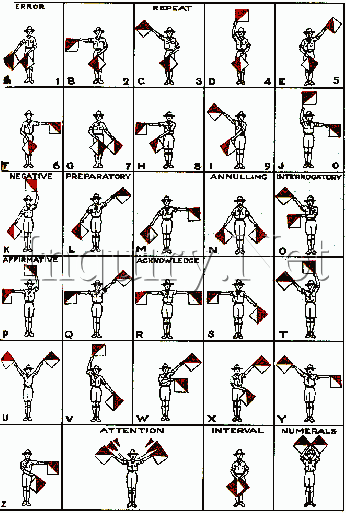
Semaphore signaling is used mainly for short distance communications. Some points to remember:

Signaling is useful only when it can be read. The letters must be made perfectly and must be clearly seen.
The sender must exactly face the person they are signaling. They must stand firmly, with the feet apart.
The flags must be at arms reach, arm and flag making a straight line.
The arms must be in the exact position for each letter.
When making T, O, and W the flags must not cover one another.
When making double letters bring the flags in to the body after the first letter.
Do not send too quickly. Never send faster than the other person can read.


Morse Code

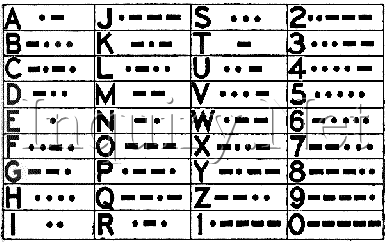
In the Morse Code letters are formed by a series of dots and dashes by using a Morse Key attached to a buzzer. Because of its adaptability, Morse Code is more useful than Semaphore, but it requires much practice to become proficient.

Morse Code signals and their meaning:

VE VE VE Calling up signal

K Carry On. (Answer to VE, if ready to receive message)

Q Wait. (Answer to VE if not ready to receive message.)

T General answer

AAA Period or decimal

AR End of message

R Message received correctly

8 dots Erase.

GB Good Bye. (used when closing down)


Manual Alphabet for the Deaf
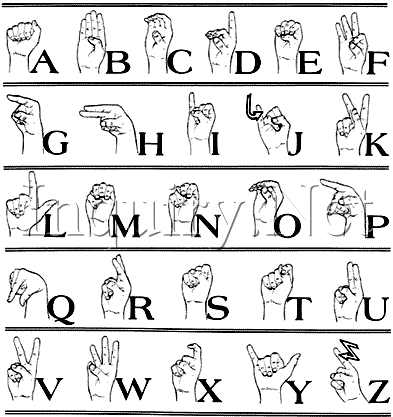

The Manual Alphabet for the Deaf is used to spell out names and places for which there are no signs.  Most words are not spelled out, however, but are communicated with a sign that represents the whole word or idea.

Sign Languages such as American Sign Language (ASL) and Indian Sign Language have many advantages.  In his chapter on Sign Language in the Birch Bark Roll, Ernest Seton lists some of these:

In this code you can talk to any other Woodcrafter without an outsider knowing or understanding.
It makes conversation easy in places when you must not speak aloud, as in school, during music, or by the bedside of the sick. 
It is a means of far-signaling much quicker than semaphore or other spelling codes, for this gives one or more words in one sign. 
It will enable you to talk when there is too much noise to be heard, as across the noisy streets. 
It makes it possible to talk to a deaf person. 
It is a wonderful developer of observation. 
It is a simple means of talking to an Indian or a Woodcrafter of another nationality whose language you do not understand. This indeed is its great merit. It is universal. It deals not with words but with ideas that are common to all mankind. It is therefore a kind of Esperanto already established.

 See Also:

Indian Sign Language and Advancement Exercises

   The Traditional Handbook

Search  Inquiry Net

Back ] Home ] Up ] Next ]

Additional Books

Site Contents
[Warning: Large File]


Additional Information:

Peer- Level Topic Links:
Cooking Off-the-Shelf ] Archery ] Axe, Boy Scout ] Axe, Saw, Forestry ] Axe, Saw,  Knife ] Axe Use: Beard ] Axe Use: Seton ] Axe Use: Traditional ] Axe Throwing ] Beds, Woodcraft ] Bedding Materials ] Bicycle Maintenance ] Birch-Bark Torch ] Birds ] Bird Houses ] Blocks Tackles Purchase ] Blood Red Cross ] Broom: Camp or Witch's ] Buttons ] Campcraft ] Camp Hygiene ] Camp Planning ] Campfire Programs ] Chainsaws ] City-Craft ] Compass Bear Song ] Compass, Home-Made ] Cookery in Camp ] Cooking Contests ] Cook Dutch Oven Stack ] Cooking Hygiene ] Cooking Lightweight ] Cooking Utensils ] Cooking Primitive ] Cooking Recipes ] Cotton Kills Bear Song ] Deduction in Tracking ] Deduction & Detective ] Drum ] Dyes ] Edible Plants ] Equipment, Leader ] Equipment, Personal ] Equipment Maintenance ] Equipment, Lightweight ] Equipment, Scouting Out ] Estimation ] Field Signals ] Fire Building ] Fire Laying ] Fire Lighting ] Fire Starters ] Fire: Rubbing-Stick ] Fire Types, Wood Types ] Fire Council Ring ] Fires: Woodcraft ] First Aid ] First Class Journey ] Flint & Steel ] Flowers ] Forest ] Gesture Signals ] Ground to Air Signals ] Handicraft Stunts ] High Adventure ] Hiking ] Hike Planning ] Indian Sundial Clock ] Insect Collecting ] Insect Preserve ] Indian Well ] Knife & Hatchet ] Knots, Bends, Hitches ] Knots: Diamond Hitch ] Knots: Lashings ] Knots: Rope Work ] Knots: Seton ] Knots: Traditional ] Knots & Whipping ] Lashings ] Lashing Practice Box ] Lace or Thong ] Learn by Doing ] Leave No Trace ] Lights ] Local Knowledge ] Log Ladders, Notched ] Log-Rolling ] Logs: Cut Notch ] Logs Split with Axe ] Loom and Grass Mats ] Lost in the Woods ] Manners ] Maps ] Map & Compass ] Maps: Without Compass ] Measurement ] Measurement Estimation ] Menu Worksheet ] Menu (Adult IOLS) ] Mosquitoes ] Mushrooms ] Night Tracking ] Observation ] Old Trails ] Paints ] Pioneering, Basic ] Pioneering Models ] Plaster Casts ] Preparations ] Proverbs ] Rake ] Rope Care ] Rope Making ] Rope Spinning ] Scout Reports ] [ Signal & Sign ] Sign Language ] Silent Scout Signals ] Smoke Prints ] Snakes ] Spanish Windlass ] Spoons ] Staff/Stave Making ] Stalking Skills ] Stalking & Observation ] Stars ] Stools ] Story Telling ] Stoves & Lanterns ] Summoning Help ] Sun Dial: Scientific ] Survival Kit ] Tarp Poles ] Teepee (4 Pole) ] Tent Care ] Tent Pitching ] Tom-Tom ] Tomahawk Throwing ] Tomahawk Targets ] Totem Making ] Totem Animals ] Totem Poles ] Training in Tracking ] Tracks, Ground, Weather ] Tracking & Trailing ] Trail Following ] Trail Signs & Blazes ] Trail Signs of Direction ] Trail Signs: Traditional ] Trail Signs for Help ] Trees of the NE ] Wall Hangings ] Watch Compass ] Weather Wisdom ] Wild Things ] Troop 625 ]

Parent- Level Topic Links:
B-P's Scout Journeys ] Outdoor Skills ] Games for Boys! ] Shelters ] Camp Fires ] Night Skills ] Native American ] Checklists ] WINTER ] SPRING ] SUMMER ] AUTUMN ] Activities ]

The Inquiry Net Main Topic Links:
Traditional Scouting ] BSA to B-P Dictionary ] Adult Association ] Advancement ] Ideals ] Leadership ] Outdoors ] Patrol Method ] Personal Growth ] Uniforms ]

External Sponsor Links:


Search Amazon.Com:

When you place an order with Amazon.Com using the search box below, a small referral fee is returned to The Inquiry Net to help defer the expense of keeping us online.  Thank you for your consideration!

Search:
Keywords:
Amazon Logo


DVDs for Junior Leader Training Weekends!


Additional Titles: Scout Books Trading Post

Dead Bugs, Blow Guns, Sharp Knives, & Snakes:
What More Could A Boy Want?

Click on Underlined Green text to follow a hyperlink.  Let me know if you find a broken link, especially those that reference a hard drive :-/

Click on Small Pictures to Enlarge Them.  
If this enlarged picture won't print on a single page, search your software for a printing option like "Best Fit."  This is the default setting in most browsers.  
If the pictures are missing, send me the URL, and I'll scan them for you.  

To Email me, replace "(at)" below with "@"
Rick(at)Kudu.Net
If you have questions, you must send me the URL!
The URL tells me what page you're talking about.  This URL is sometimes called the "Address" and it is usually found in a little box near the top of your screen.  Most URLs start with the letters "http://"
Did I mention that you must send me the URL?

©2003, The Inquiry Net, www.inquiry.net: In addition to any Copyright still held by the original authors, the Scans, Optical Character Recognition, extensive Editing,  and HTML Coding on this Website are the property of the Webmaster, Rick Seymour.   My work may be used freely by individuals for non-commercial, non-web-based activities, such as Scouting, research, teaching, and personal use so long as this copyright statement is included in the text
The purpose of this Website is to provide access  to hard to find, out-of-print documents.  Much of the content has been edited to be of practical use in today's world and is not intended as historical preservation.   I will be happy to provide scans of specific short passages in the original documents for people involved in academic research.  

The Kudu Net is a backup "mirror" of The Inquiry Net.  When linking to this Website, note that pages that end in "inquiry.net" are updated far more often than the corresponding "kudu.net" versions.

Old School Scouting:
What to Do, and How to Do It!


Hit Counter
Since August 24, 2002
+550,762

Last modified: February 21, 2006.