Home ] Up ] Books ] Search Inquiry ] Contents ]
Equipment, Leader


Cooking Off-the-Shelf
Archery
Axe, Boy Scout
Axe, Saw, Forestry
Axe, Saw,  Knife
Axe Use: Beard
Axe Use: Seton
Axe Use: Traditional
Axe Throwing
Beds, Woodcraft
Bedding Materials
Bicycle Maintenance
Birch-Bark Torch
Birds
Bird Houses
Blocks Tackles Purchase
Blood Red Cross
Broom: Camp or Witch's
Buttons
Campcraft
Camp Hygiene
Camp Planning
Campfire Programs
Chainsaws
City-Craft
Compass Bear Song
Compass, Home-Made
Cookery in Camp
Cooking Contests
Cook Dutch Oven Stack
Cooking Hygiene
Cooking Lightweight
Cooking Utensils
Cooking Primitive
Cooking Recipes
Cotton Kills Bear Song
Deduction in Tracking
Deduction & Detective
Drum
Dyes
Edible Plants
Equipment, Leader
Equipment, Personal
Equipment Maintenance
Equipment, Lightweight
Equipment, Scouting Out
Estimation
Field Signals
Fire Building
Fire Laying
Fire Lighting
Fire Starters
Fire: Rubbing-Stick
Fire Types, Wood Types
Fire Council Ring
Fires: Woodcraft
First Aid
First Class Journey
Flint & Steel
Flowers
Forest
Gesture Signals
Ground to Air Signals
Handicraft Stunts
High Adventure
Hiking
Hike Planning
Indian Sundial Clock
Insect Collecting
Insect Preserve
Indian Well
Knife & Hatchet
Knots, Bends, Hitches
Knots: Diamond Hitch
Knots: Lashings
Knots: Rope Work
Knots: Seton
Knots: Traditional
Knots & Whipping
Lashings
Lashing Practice Box
Lace or Thong
Learn by Doing
Leave No Trace
Lights
Local Knowledge
Log Ladders, Notched
Log-Rolling
Logs: Cut Notch
Logs Split with Axe
Loom and Grass Mats
Lost in the Woods
Manners
Maps
Map & Compass
Maps: Without Compass
Measurement
Measurement Estimation
Menu Worksheet
Menu (Adult IOLS)
Mosquitoes
Mushrooms
Night Tracking
Observation
Old Trails
Paints
Pioneering, Basic
Pioneering Models
Plaster Casts
Preparations
Proverbs
Rake
Rope Care
Rope Making
Rope Spinning
Scout Reports
Signal & Sign
Sign Language
Silent Scout Signals
Smoke Prints
Snakes
Spanish Windlass
Spoons
Staff/Stave Making
Stalking Skills
Stalking & Observation
Stars
Stools
Story Telling
Stoves & Lanterns
Summoning Help
Sun Dial: Scientific
Survival Kit
Tarp Poles
Teepee (4 Pole)
Tent Care
Tent Pitching
Tom-Tom
Tomahawk Throwing
Tomahawk Targets
Totem Making
Totem Animals
Totem Poles
Training in Tracking
Tracks, Ground, Weather
Tracking & Trailing
Trail Following
Trail Signs & Blazes
Trail Signs of Direction
Trail Signs: Traditional
Trail Signs for Help
Trees of the NE
Wall Hangings
Watch Compass
Weather Wisdom
Wild Things
Troop 625


Search Now:


In Association with Amazon.com


Responsibility 

It is the responsibility of the Leader to ensure that Scouts are properly equipped before they set out on any hike or walking expedition.

Have you checked their route?  There cannot be any short cuts.

Basic Equipment

Tent 
Boots 
Waterproof Coat & Pants
Gloves, 
Hat, 
Spare clothes
Maps 
Compass 
Whistle 
Survival Bag (Emergency shelter)
Food and drink 
Cooking equipment
First Aid Kit 
Flashlight (Torch) (Spare batteries and bulb) 
Rucksack

Boots 

Need not be expensive nor heavy, but should have a composition sole. 
Ensure a good fit - too small will cramp - too big will blister.
Best fitted with one pair of Hill Socks.
Choose the lightest boots to do the job.
Modern boots require little or no breaking in - but traditional boots do. (leather ones). 
DO NOT attempt a walk in new boots. 
When wet, allow to dry naturally in an airy place. DO NOT use direct heat.
Wear your boots at home for a few hours each day so that you  get used to them, and them to your feet!
If they feel uncomfortable when walking, apply a plaster (moleskin) BEFORE the blister forms.

Clothing 

Outer garments should  be water-resistant.  They must also have an added factor of being windproof also.  Rain gear must be shower-proof. 
Wear insulating clothing next to your skin.
Clothing to be strong but light, and must allow your body to breath. 

Tents 

This must be the correct tent for the conditions that could be expected. Lightweight for carrying, with flysheet and sewn in groundsheet. Items can be split between the Patrol. Preferably in bright colors: orange, etc.
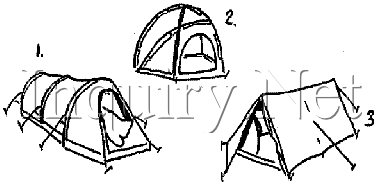
 
1. Tunnel Tent. 2+ persons. Low wind factor.
2. Dome Tent. 2 person. Can be unstable in high winds.
3. Mountain Ridge Tent. 2 person. Low wind factor.

 Map and Compass

Ensure that your Scouts are familiar with the Maps and compass you issue them with.
Provide a good quality liquid filled compass with plastic base-plate and rotating bezel.
Are your Scouts able to use them together and separately?
Provide a waterproof holder for the maps.
Ensure instructions/directions are precise, clear, and are understood by all who take part.
Issue a spare map and compass in case of emergency.

Emergency Equipment

First Aid Kit. Well equipped and serviceable. 
Whistle. Pea type best. (Football)
Flashlight/Torch. Issue with full set of spare batteries/bulbs.
Survival Bag. To act as an emergency shelter, as well as for suspect cases of hypothermia.

 Backpacks/Rucksacks 

Correct type for the job
Well packed - nothing hanging from it. 
Framed (inside or out) with hip straps.
Line with plastic bag to make extra waterproof. 
Pack soft items against your body.
Small items - knife, gloves, whistle, sweets, etc., in pockets or under lid.  Note that squirrels will eat though pack to get at snacks if left unguarded. 
Waterproof clothing near to top when packed.
Fuel and stoves away from food in strong NYLON bags in an outside pocket. (fuel, etc., can penetrate polythene).

GOOD PACKING IS AN ART - PRACTICE IT.

"With careful packing and a sensible route, time given for rest, rhythmic pace, carrying a Rucksack can be a satisfying experience."

TO AVOID PROBLEMS.

Too Heavy. 
Attempting too much before mind and body are ready for it.
Walking too fast. 
Going downhill too fast. 
Wearing too many clothes. 
Straps badly fitted. 
Unstable or unbalanced load.

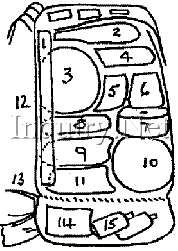
Packing Suggestion

  1. Sleeping Mat.
  2. Anorak.
  3. Tent.
  4. Packed Lunch.
  5. Thermals if required.
  6. First Aid Kit.
  7. Cooking pots.
  8. Food.
  9. Spare clothing.
  10. Sleeping bag.
  11. Clothes.
  12. Framed rucksack.
  13. Hip strap
  14. Stove.
  15. Fuel.

Winter or Cold Weather/Mountains
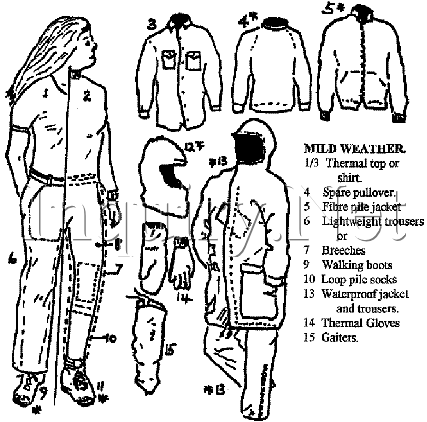
2 Thermal Top. 
3 Shirt 
4* Pullover (Not too heavy) 
5* Fiber pile jacket (This could replace 3 & 4) 
8 Thermal trousers.
7 Breeches/trousers 
10 Heavy loop pile socks worn over thinner socks.
11 Waterproof boots. 
12* Balaclava 
13* Waterproof jacket, trousers. 
14 Thermal Gloves/mitts. 
15 Gaiters.

* Critical Items.

 Traditional Training Handbook
©2003 Baden-Powell Scouts Association


Additional Books

Site Contents
[Warning: Large File]

Search  Inquiry Net

Back Home Up Next


Additional Information:

Peer- Level Topic Links:
Cooking Off-the-Shelf ] Archery ] Axe, Boy Scout ] Axe, Saw, Forestry ] Axe, Saw,  Knife ] Axe Use: Beard ] Axe Use: Seton ] Axe Use: Traditional ] Axe Throwing ] Beds, Woodcraft ] Bedding Materials ] Bicycle Maintenance ] Birch-Bark Torch ] Birds ] Bird Houses ] Blocks Tackles Purchase ] Blood Red Cross ] Broom: Camp or Witch's ] Buttons ] Campcraft ] Camp Hygiene ] Camp Planning ] Campfire Programs ] Chainsaws ] City-Craft ] Compass Bear Song ] Compass, Home-Made ] Cookery in Camp ] Cooking Contests ] Cook Dutch Oven Stack ] Cooking Hygiene ] Cooking Lightweight ] Cooking Utensils ] Cooking Primitive ] Cooking Recipes ] Cotton Kills Bear Song ] Deduction in Tracking ] Deduction & Detective ] Drum ] Dyes ] Edible Plants ] [ Equipment, Leader ] Equipment, Personal ] Equipment Maintenance ] Equipment, Lightweight ] Equipment, Scouting Out ] Estimation ] Field Signals ] Fire Building ] Fire Laying ] Fire Lighting ] Fire Starters ] Fire: Rubbing-Stick ] Fire Types, Wood Types ] Fire Council Ring ] Fires: Woodcraft ] First Aid ] First Class Journey ] Flint & Steel ] Flowers ] Forest ] Gesture Signals ] Ground to Air Signals ] Handicraft Stunts ] High Adventure ] Hiking ] Hike Planning ] Indian Sundial Clock ] Insect Collecting ] Insect Preserve ] Indian Well ] Knife & Hatchet ] Knots, Bends, Hitches ] Knots: Diamond Hitch ] Knots: Lashings ] Knots: Rope Work ] Knots: Seton ] Knots: Traditional ] Knots & Whipping ] Lashings ] Lashing Practice Box ] Lace or Thong ] Learn by Doing ] Leave No Trace ] Lights ] Local Knowledge ] Log Ladders, Notched ] Log-Rolling ] Logs: Cut Notch ] Logs Split with Axe ] Loom and Grass Mats ] Lost in the Woods ] Manners ] Maps ] Map & Compass ] Maps: Without Compass ] Measurement ] Measurement Estimation ] Menu Worksheet ] Menu (Adult IOLS) ] Mosquitoes ] Mushrooms ] Night Tracking ] Observation ] Old Trails ] Paints ] Pioneering, Basic ] Pioneering Models ] Plaster Casts ] Preparations ] Proverbs ] Rake ] Rope Care ] Rope Making ] Rope Spinning ] Scout Reports ] Signal & Sign ] Sign Language ] Silent Scout Signals ] Smoke Prints ] Snakes ] Spanish Windlass ] Spoons ] Staff/Stave Making ] Stalking Skills ] Stalking & Observation ] Stars ] Stools ] Story Telling ] Stoves & Lanterns ] Summoning Help ] Sun Dial: Scientific ] Survival Kit ] Tarp Poles ] Teepee (4 Pole) ] Tent Care ] Tent Pitching ] Tom-Tom ] Tomahawk Throwing ] Tomahawk Targets ] Totem Making ] Totem Animals ] Totem Poles ] Training in Tracking ] Tracks, Ground, Weather ] Tracking & Trailing ] Trail Following ] Trail Signs & Blazes ] Trail Signs of Direction ] Trail Signs: Traditional ] Trail Signs for Help ] Trees of the NE ] Wall Hangings ] Watch Compass ] Weather Wisdom ] Wild Things ] Troop 625 ]

Parent- Level Topic Links:
Outdoor Skills ] Games for Boys! ] Shelters ] Camp Fires ] Night Skills ] Native American ] Checklists ] WINTER ] SPRING ] SUMMER ] AUTUMN ] Activities ]

The Inquiry Net Main Topic Links:
Traditional Scouting ] Adult Association ] Advancement ] Ideals ] Leadership ] Outdoors ] Patrol Method ] Personal Growth ] Uniforms ]

Search Amazon.Com:
W
hen you place an order with Amazon.Com using the search box below, a small referral fee is returned to The Inquiry Net to help defer the expense of keeping us online.  Thank you for your consideration!

Search:
Keywords:
Amazon Logo


 DVDs for Junior Leader Training Weekends!


Additional Titles: Scout Books Trading Post

Dead Bugs, Blow Guns, Sharp Knives, & Snakes:
What More Could A Boy Want?

Click on Underlined Green text to follow a hyperlink.  Let me know if you find a broken link, especially those that reference a hard drive :-/

Click on Small Pictures to Enlarge Them.  
If this enlarged picture won't print on a single page, search your software for a printing option like "Best Fit."  This is the default setting in most browsers.  
If the pictures are missing, send me the URL, and I'll scan them for you.  

To Email me, replace "(at)" below with "@"
Rick(at)Kudu.Net
If you have questions, you must send me the URL!
The URL tells me what page you're talking about.  This URL is sometimes called the "Address" and it is usually found in a little box near the top of your screen.  Most URLs start with the letters "http://"
Did I mention that you must send me the URL?

©2003, The Inquiry Net, www.inquiry.net: In addition to any Copyright still held by the original authors, the Scans, Optical Character Recognition, extensive Editing,  and HTML Coding on this Website are the property of the Webmaster, Rick Seymour.   My work may be used freely by individuals for non-commercial, non-web-based activities, such as Scouting, research, teaching, and personal use so long as this copyright statement is included in the text
The purpose of this Website is to provide access  to hard to find, out-of-print documents.  Much of the content has been edited to be of practical use in today's world and is not intended as historical preservation.   I will be happy to provide scans of specific short passages in the original documents for people involved in academic research.  

The Kudu Net is a backup "mirror" of The Inquiry Net.  When linking to this Website, note that pages that end in "inquiry.net" are updated far more often than the corresponding "kudu.net" versions.

Old School Scouting:
What to Do, and How to Do It!

Hit Counter
Since August 24, 2002
+550,762

Last modified: May 01, 2005.